Fees Paid, Registration Done — and the Shipment Still Stopped? Heavy Metal Limits Under the EU Packaging Regulation
EPR registration and recycling fees concern your business. The cap of 100 mg/kg on four heavy metals concerns the packaging itself — and since 12 August 2026 it is a directly applicable obligation that has to be proved on paper.
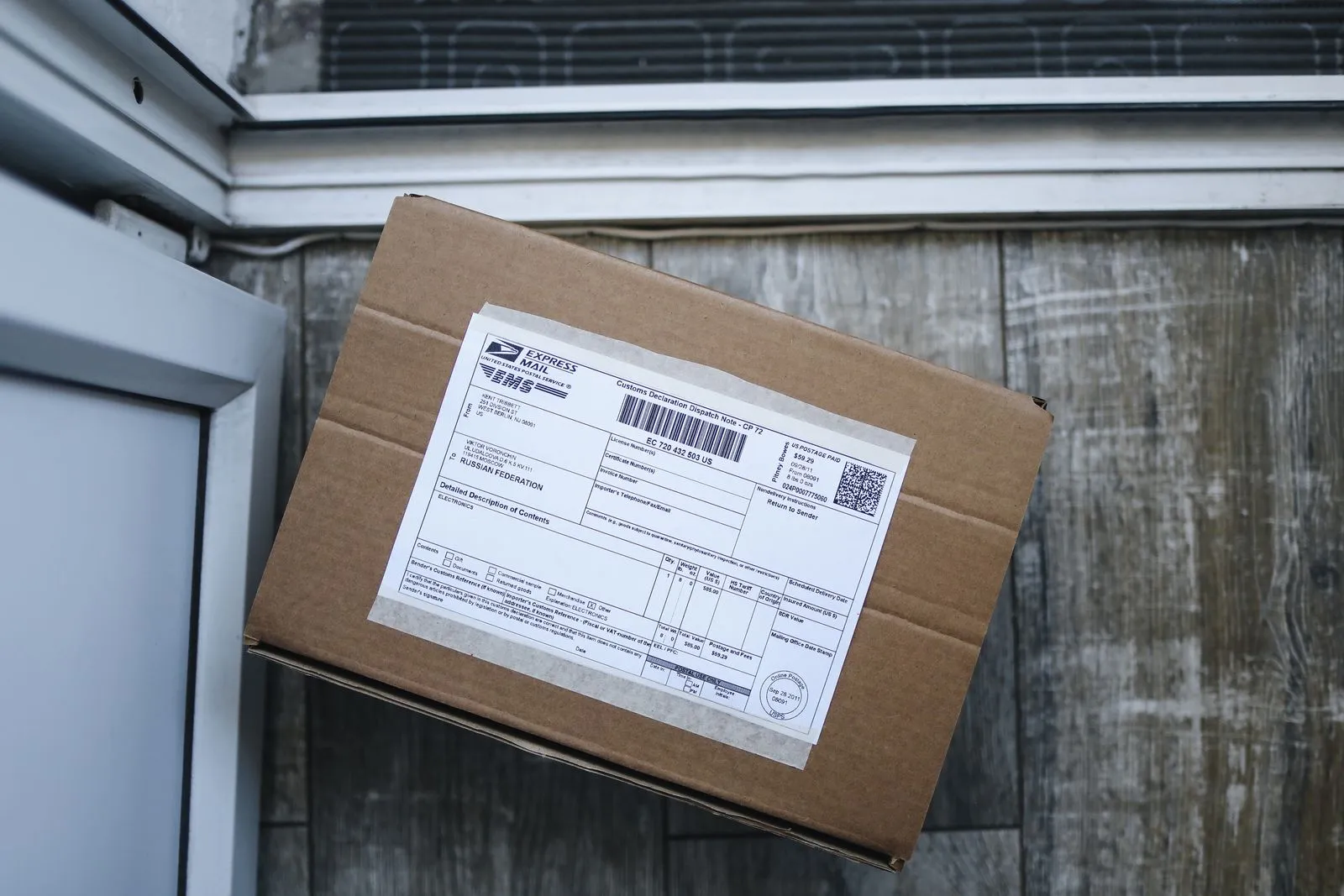
"We have registered for EPR. We have paid our recycling fees. And the cardboard box we shipped in can still stop our products from circulating on the EU market."
For businesses selling in Europe, EPR — Extended Producer Responsibility — often feels like a matter of registering and paying fees. Under the EU Packaging and Packaging Waste Regulation (PPWR), what the packaging itself is made of is scrutinised more strictly than that. The regulation entered into force on 11 February 2025 and has applied since 12 August 2026.
Drawing on the questions we receive in our day-to-day work, this article sets out a requirement that is easy to overlook: the limit on heavy metals in packaging materials.
It Is Not a Tax — It Is a Rule About Materials
When EPR and recycling fees come up, the question we are asked most often is whether this is a tax. The subject of this article is something else.
What matters here is the quantity of heavy metals contained in the cardboard and the packaging your products ship in. Even where the business is properly registered and the fees are paid, packaging that does not meet the limits cannot circulate within the EU.
Compliance of the business and compliance of the packaging are two separate checks. Passing the first says nothing about the second.
What Is Restricted, and to What Level
Four heavy metals are covered:
- Lead (Pb)
- Cadmium (Cd)
- Mercury (Hg)
- Hexavalent chromium (Cr VI)
The rule is that the combined concentration of the four must not exceed 100 mg/kg — 100 ppm by weight (Article 5(4) of the PPWR). Each one may be present in trace amounts only: once the total goes past the limit, the packaging is non-compliant.
The figure itself is not new. It comes from the former Packaging and Packaging Waste Directive (Directive 94/62/EC, Article 11), which the PPWR repeals. What has changed is its status. The PPWR is a regulation, so it needs no national transposition: the same articles and the same limit apply directly in every member state. And the duty to prove compliance through documentation is now explicit.
The Risk You Might Miss: The Outside of the Box
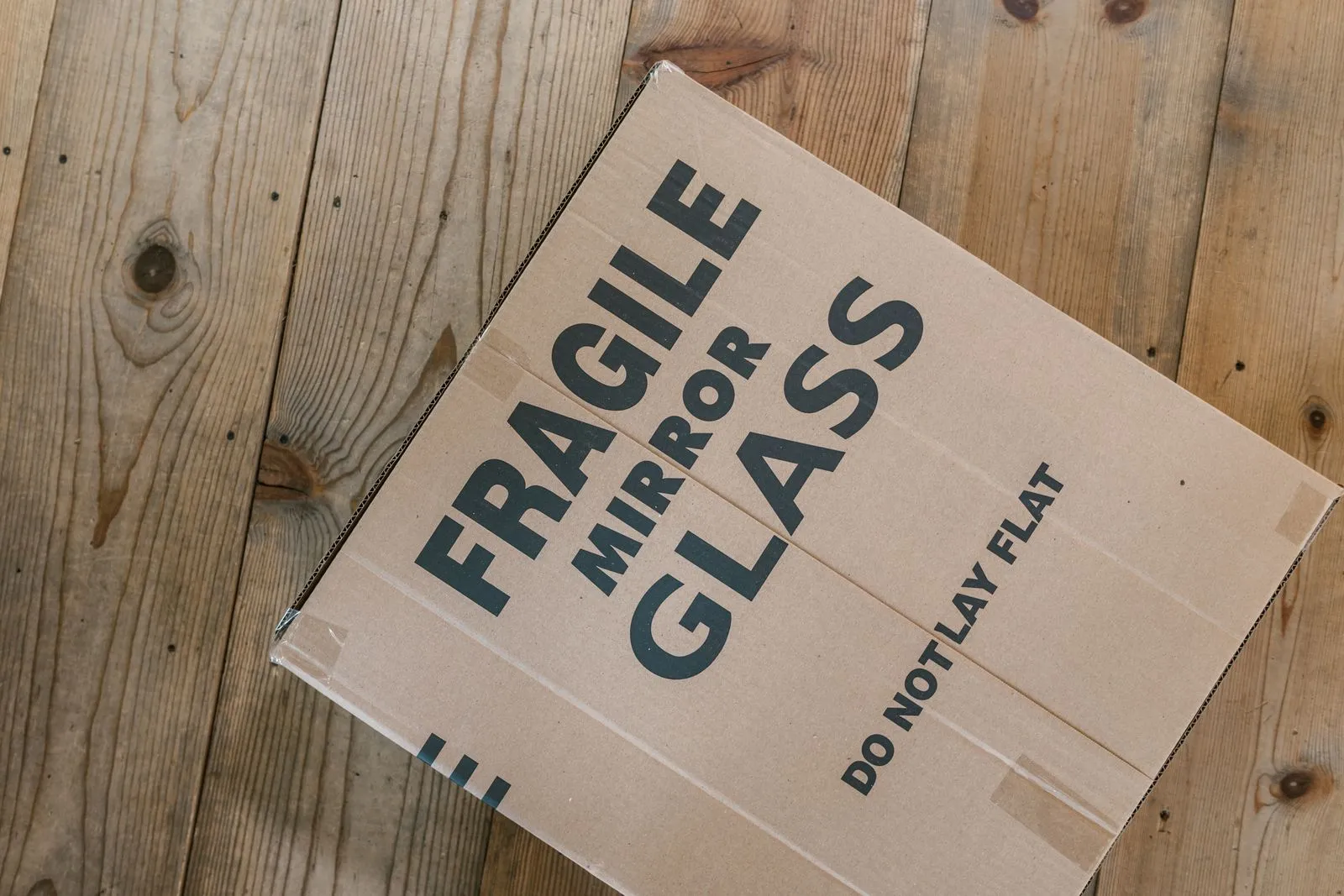
Heavy metals usually enter packaging not through the board itself but through what is applied to it:
- Printing inks — lead-based inks used for logos or lettering on outer cartons are the classic case
- Dyes, coatings and adhesives
- Recycled paper and recycled materials where input quality control is weak
Packaging sourced in less strictly regulated markets deserves particular attention. The product can be entirely in order while the shipping carton or a printed retail box makes the consignment non-compliant.
Why the Rules Are So Strict
The reasoning is straightforward. Used packaging ends up at authorised treatment facilities, where it is incinerated or recycled. Significant heavy-metal residues are released into the environment during that treatment, and carried over into the recycled material that comes out of it.
Keeping hazardous substances out at the packaging stage is a precondition for Europe’s circular economy to work at all — which is why the limit sits on the material rather than on the producer’s paperwork.
Why EPR Registration Alone Is Not Enough
Under the PPWR, compliance has to be demonstrable in writing, and the duty is distributed along the supply chain:
- Packaging manufacturers draw up the technical documentation and the EU declaration of conformity, and keep them for 5 years for single-use packaging and 10 years for reusable packaging (Article 15 and Annex VII)
- Packaging suppliers provide the manufacturer with the information and documents needed to demonstrate conformity (Article 16)
- Importers verify that the manufacturer has carried out the conformity assessment and drawn up the technical documentation, and keep a copy of the EU declaration of conformity (Article 18)
Goods arriving from outside the EU without proper documentation, or failing the limits, may have their release suspended by customs and — depending on what the authorities find — be refused entry altogether (Regulation (EU) 2019/1020, Articles 26 and 28). This is usually where “we paid the fees, but the goods are not moving” begins. It is the same mechanism, applied to packaging, that we set out for tax and product documents in why Italian customs holds goods.
A Checklist You Can Start Today

- ☐ We have a list of suppliers for every shipping carton and retail box we use
- ☐ We hold heavy-metal test reports or conformity documents from each supplier
- ☐ We have checked the printing inks, adhesives and coatings as well as the board
- ☐ Our supplier contracts and specifications require PPWR compliance explicitly
- ☐ Our technical documentation and EU declaration of conformity are stored and ready to produce if the authorities ask
- ☐ For food packaging, we have also checked the limits on PFAS — per- and polyfluoroalkyl substances (Article 5(5))
If any of these points is uncertain, it is worth reviewing sooner rather than later: documents are slow to collect from suppliers, and the moment you need them is usually the moment a consignment is already standing still.
National EPR and EU-Wide PPWR: Keeping Both in View
Businesses selling in Europe face two layers of rules, and they are not alternatives:
- National EPR — registration, reporting and fee payment, which differ from country to country: CONAI in Italy, separate schemes in France, Germany, Spain and elsewhere. Our guide to EPR across Europe sets out the five main markets, and the Italian procedure for a foreign company is in CONAI registration and the Italian-based representative.
- EU-wide PPWR — harmonised rules on packaging materials, design, labelling and documentation, of which the heavy-metal limit is one.
Neither layer on its own is enough to sell in Europe without interruption.
At Servix International we handle EPR compliance in Italy and across Europe, bringing country-by-country registration and reporting together with PPWR packaging checks. Our multilingual team can walk you through the differences between the national schemes.
If you are wondering whether your packaging meets the limits, or which registrations you need in which countries, get in touch — we are happy to start by reviewing where you stand today.
Sources: Regulation (EU) 2025/40 (PPWR), EUR-Lex · European Commission, new EU rules on packaging enter into application · Directive 94/62/EC (former Packaging Directive), EUR-Lex · Regulation (EU) 2019/1020 (market surveillance), EUR-Lex.
Planning your entry into the Italian market?
Tell us about your business and our team will map the VAT, VIES and guarantee steps for your case — usually within one business day.